

How to Patent an Idea: What You Can Actually File
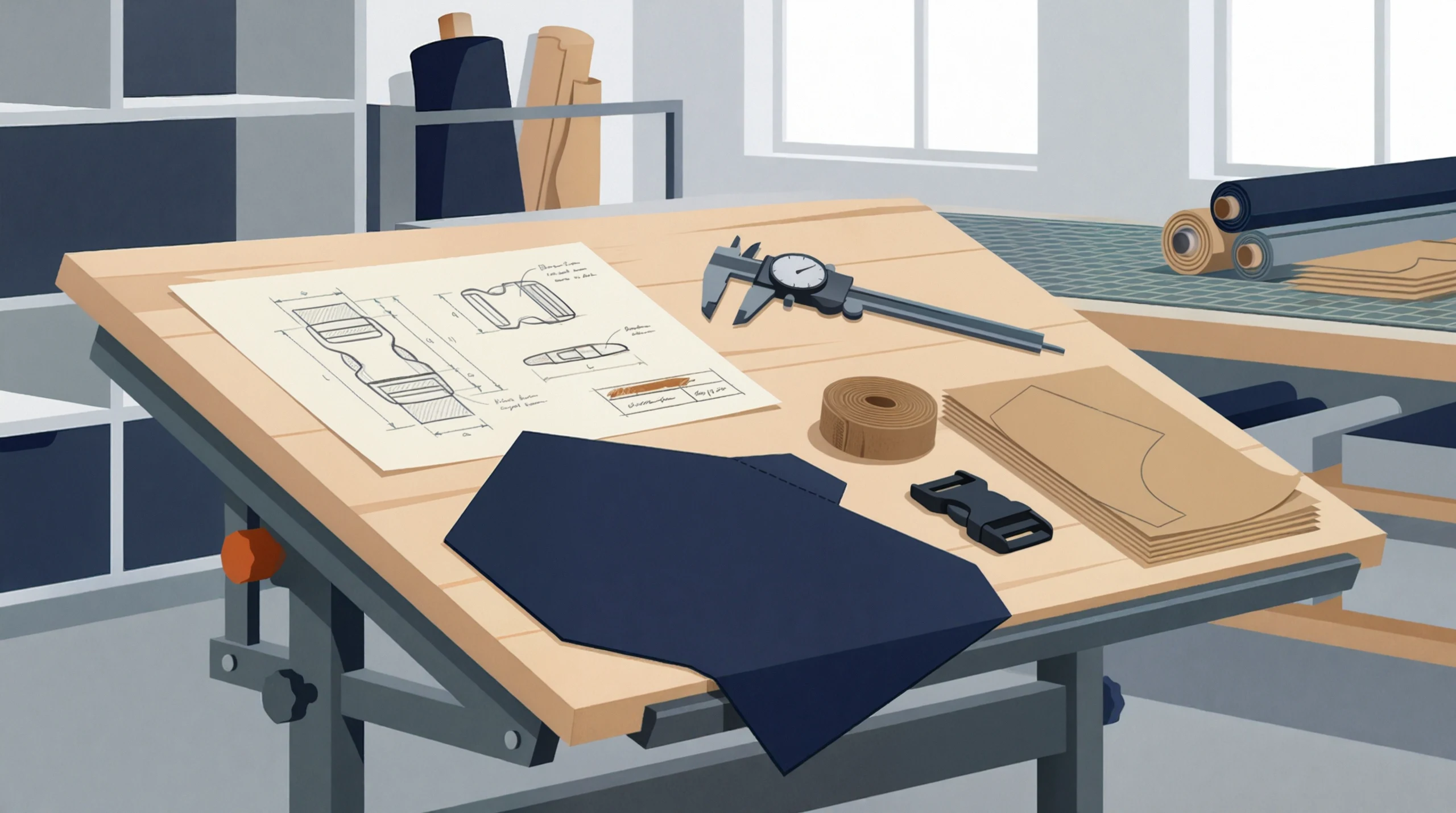
You cannot patent an idea on its own. You patent an invention: a product or method described well enough that someone skilled could build it, or a design shown in drawings. So the first step is turning the idea into drawings and a working description, then filing a provisional or full application.
Here is the order we work in when a founder brings us a product idea, and what each filing actually protects.
Why a bare idea cannot be patented
A patent office does not grant rights over a goal. "A backpack that keeps a laptop dry" is a goal. A specific seam construction, a drain channel in a specific place, a buckle that locks a specific way: those are inventions. The application has to describe how the thing works in enough detail that a person in the trade could make it from the document.
That is why the question of how to patent an idea is really the question of how to turn an idea into something concrete. For a physical product, that means sketches, measurements, and usually a first sample in your hands.
Design patent vs utility patent: which one fits your product
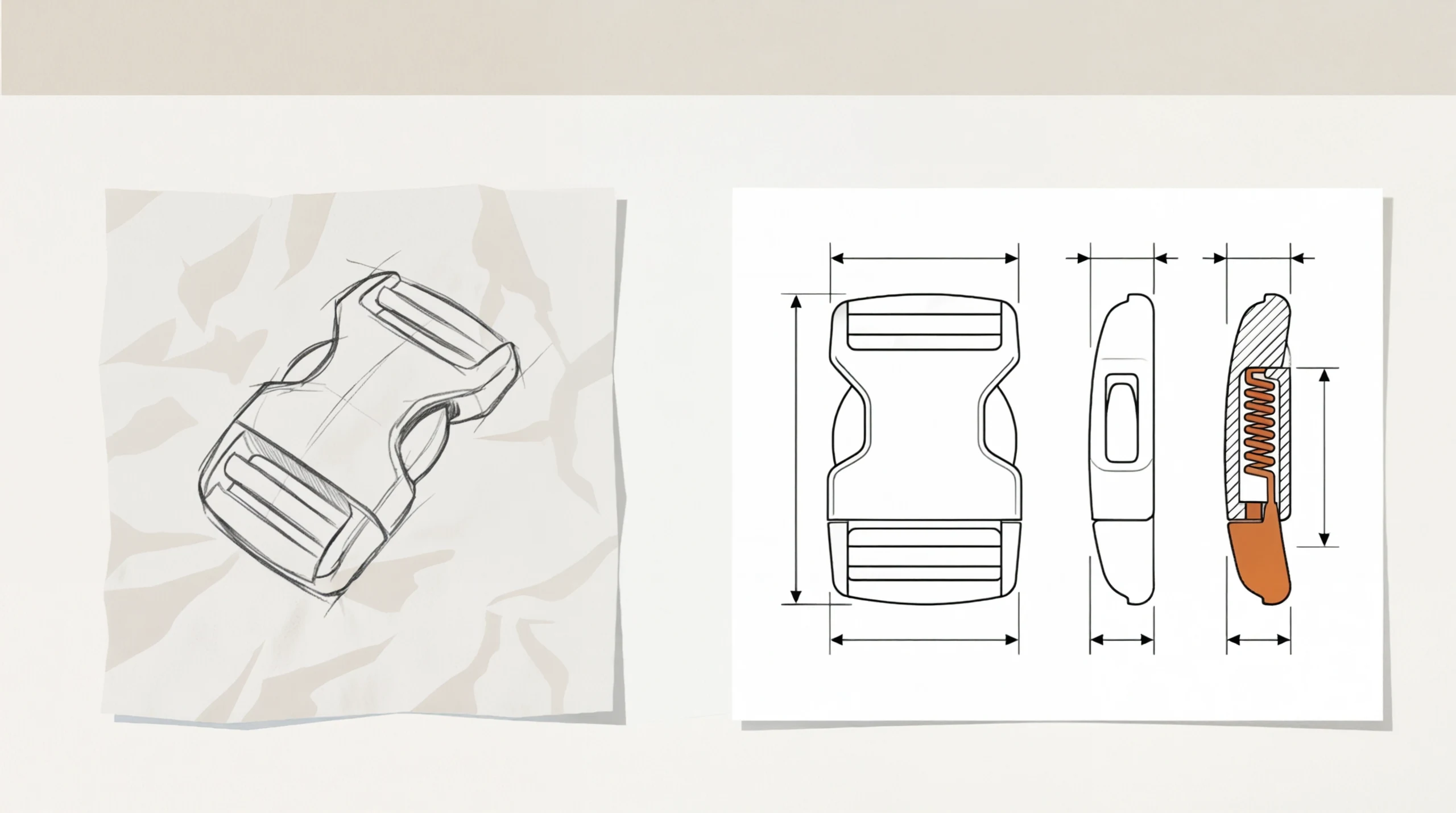
The design patent vs utility patent choice comes down to what makes the product yours. A utility patent covers how something works: a mechanism, a construction, a method. A design patent covers how something looks: the ornamental shape you see in the drawings. The USPTO's patent basics page sets out both types and how long each one lasts.
Plenty of soft goods carry both. A new closure system may earn a utility patent, while the silhouette of the bag earns a design patent. Each filing has its own fees, which we cover in how much a patent costs.
How to get a patent: the steps in order
- Write down what is new. One page: the problem, what exists today, and the specific way your product solves it differently.
- Search what already exists. A free search on the patent office database and on shopping sites catches the obvious conflicts before you spend money.
- Draw it. Sketches become measured drawings. For a bag, the tech pack already holds most of what a patent drawing needs.
- File a provisional application, or go straight to a full one. More on that choice below.
- Sample and refine. A sample often shows a better way to build the feature. Better to learn that inside your filing window than after it.
- File the full application and answer the examiner's questions until it is allowed or refused.
Where a provisional patent application fits
A provisional patent application is a lower-cost filing that holds your date while you keep developing. It is never examined and never becomes a patent by itself. You get 12 months to file the full application that claims its date, as the USPTO's provisional application page explains. Once it is on file you can say patent pending.
The trap is filing a thin provisional. It only protects what it describes. If the sample changes how the feature works and the provisional does not cover the new version, the date you were counting on may not reach it.
How to patent a product without slowing the product down
When people ask how to patent a product, the worry is usually time: the patent work stalls the sampling, or the sampling exposes the idea before anything is filed. Running both in one line fixes the order. We draw the product, the patent drawings come from the same files, the filing goes in before the design leaves the room, and sampling starts with the date already held.
The other point to settle in writing is ownership. The patent, the CAD files, and the patterns should be assigned to you in the contract, not held by the studio or the factory that helped you make them.
What to do this week
Write the one-page description of what is new about your product, and run a free search on the patent office database for the closest thing that already exists. If the page is hard to write, the idea is not concrete enough to file yet, and that is the work to do first. If your product is a bag, a pack, a vest, or technical soft goods and you want help turning it into drawings, a sample, and a filing, tell me what you're trying to make.