

How to Start a Backpack Business: The Factory Side
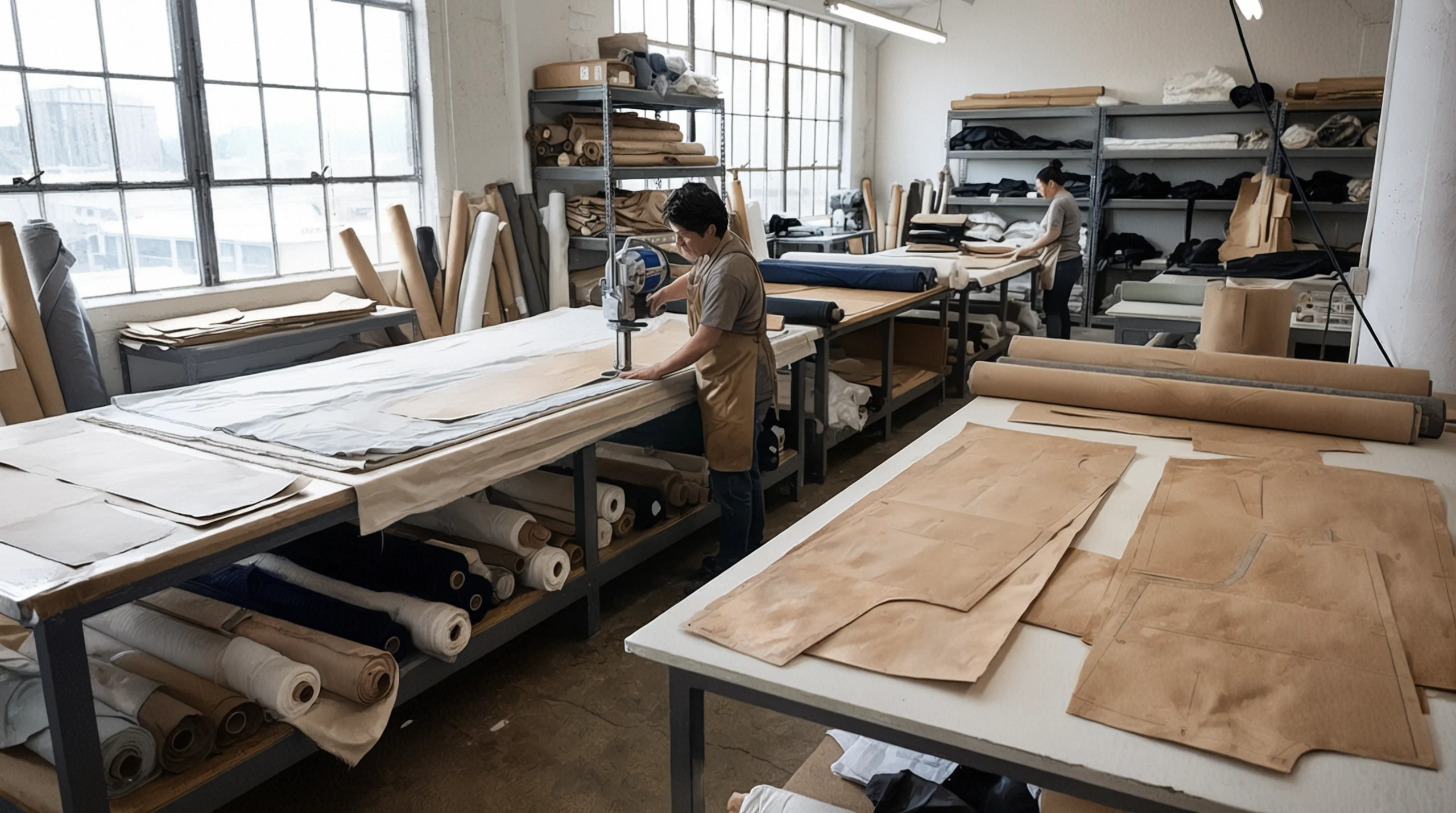
Starting a backpack business means less branding work and more production work than most guides admit. The real sequence is a tech pack, a sewn sample, a factory that can actually hold your spec, and a first production run, in that order. Skip the tech pack and every step after it costs more to fix.
Where most “start a backpack business” advice stops short
Plenty written on this covers naming, logo, and which marketplace to list on. None of it covers what happens when your design has to become a physical, sewn object five hundred times in a row the same way. That is the part that decides whether the business survives past the first run: not the brand, the production chain behind it.
From sketch to tech pack
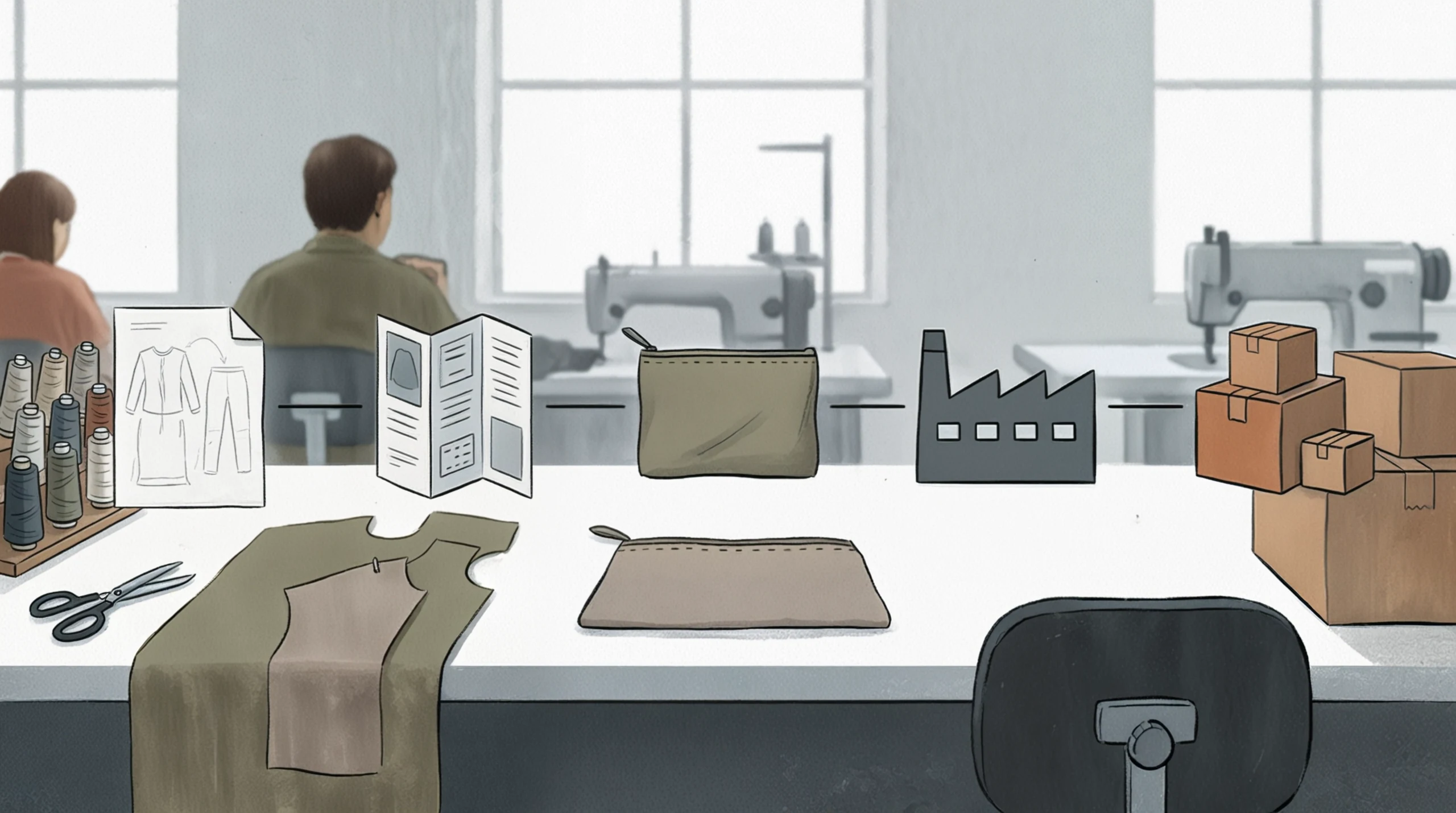
A sketch is not a spec a factory can quote, let alone cut and sew consistently. Before anyone touches fabric, the design needs a tech pack: measurements, construction details, material callouts, hardware specs, and a bill of materials a factory can read without guessing. This is also where a patent conversation belongs, before the design is shown to a factory that could sell the same bag to someone else.
Choosing a factory instead of a sourcing agent
The decision that shapes everything after is who actually makes the bag. A sourcing agent finds a factory and marks up the invoice you never see. A factory-direct arrangement means you read the real vendor invoice and the same team that built your sample runs your production, instead of your sample being used to win a quote that a different, cheaper line then fills. For a first-time founder, the second model is the one where a construction problem gets fixed by the person who can actually fix it.
What a first production run actually looks like
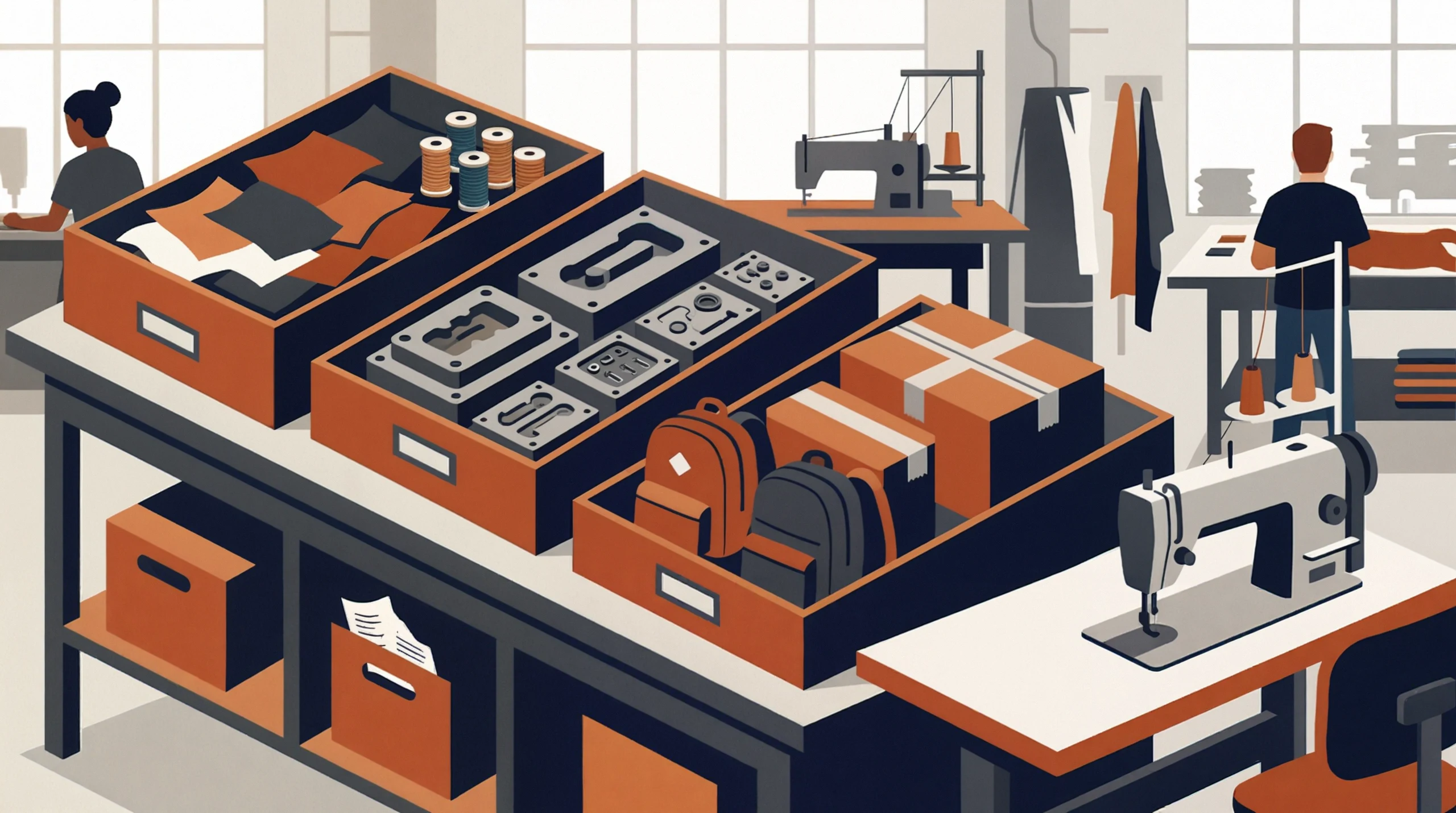
A first run is bigger than a sample batch and smaller than most founders brace for, but the exact number depends on material, construction complexity, and the factory’s own line setup, which is why a real quote always comes after the tech pack, not before it. What stays constant across backpack businesses is the shape of the run itself: one approved sample, one locked bill of materials, one inspected production batch, one freight booking. Change the design mid-run and you are no longer running the same business plan.
What to do this week
Before you talk to anyone about production, get your design into a real tech pack, even a rough one. A factory can quote a tech pack. It cannot quote a mood board. If you want a line-item quote with one team from sketch to shipped, tell me what you’re trying to make.